Friday, August 30, 2013

Supporting Women in Labor (The workplace, that is) - FP


As we pause to acknowledge and celebrate the contributions of workers on this national observance of Labor Day, it’s worth pondering: What would the American labor force look like if not for the contributions of women? The short answer: It would be a shell of itself, says Jones-DeWeever. She explains why, despite the progress women have made in the workplace, the American labor market in tailored to a “Leave it to Beaver” sense of family structure that, for the most part, no longer exists.

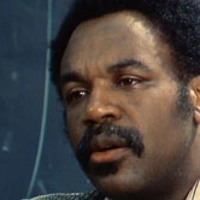
Courtland Cox - MOTM

The 1963 March on Washington for Jobs and Freedom remains the most significant mass gathering in the Civil Rights Movement, and its success was largely due to the efforts of the many committee members who planned the event. As a student at Howard University, Courtland Cox served on the steering committee as a representative for the Student Non-violent Coordinating Committee, which gave him a front-row seat to back-room conversations. Here, he recalls the controversy over the speech John Lewis planned to deliver, criticizing the Kennedy administration.

David and Toko Ackerman - MOTM

It seems almost natural that a movement with an aim of racial equity would include the young and the old, men and women, Northerners and Southerners, as well as various races. The husband and wife team of David and Toko Ackerman were true representations of this diversity. David, a self-proclaimed product of a lily-white community in Illinois, and his Japanese-born wife also reflect the various reasons that people were drawn to fight for change. The egregious racial violence in Selma, Ala., was Toko’s impetus to turn her attention toward race relations, while David’s involvement in the movement would occur almost by accident.

Esther Terry - MOTM

When the Civil Rights Movement began to gain traction throughout the south, much of the credit for its success rightly went to the college students from the nation’s Historically Black Colleges and Universities (HBCUs). Well-trained and educated, these young men and women were some of the first to take bold action in the fight for desegregation. Dr. Esther Terry, past provost of the all-girls Bennett College in Greensboro, N.C., was a young student at the school in 1960 when she participated in the sit-in at a Woolworth lunch counter. Here, she explains why “Bennett Ladies” were motivated to participate.

Gwendolyn Simmons - MOTM

Nearly 100 years after the Emancipation Proclamation, many of the Southern states in America were segregated and openly oppressive to African Americans. With themes of civil resistance, nonviolent protests, boycotts and voting rights at the heart of the Civil Rights Movement, there was another constant theme for Movement activists: danger. As a college student active with the Student Non-Violent Coordinating Committee (SNCC), Gwendolyn Simmons thought there was a surefire way to maximize her safety.

Dorie Ann Ladner and Dr. Joyce Ann Ladner - MOTM

The Civil Rights Movement is sometimes portrayed as the courageous efforts of individual men and women whose bigger-than-life heroism transformed American society. While working to prepare for the March on Washington in 1963, two sisters from Mississippi, Dorie Ann and Joyce Ann Ladner, realized there was a far reach of supporters for the Movement—from the unnamed every day person to internationally renowned entertainers. These 19- and 20-year-old sisters also realized that the constant emphasis on big-name civil rights icons was leading them to become ambivalent toward some leaders in the Movement—one in particular.

Thursday, August 29, 2013

Dorie Ann Ladner and Dr. Joyce Ann Ladner, March on Washington - MOTM

1963 was a momentous year for the Civil Rights Movement. Sit-ins, Freedom Rides, and voter-registration campaigns merged to galvanize people for the historic March in Washington on August 28. As two sisters from Mississippi— Dorie Ann and Joyce Ann Ladner—worked to prepare for the March, they realized there was a far reach of supporters for the Movement—from the unnamed every day person to internationally renowned entertainers. But before these 19 and 20-year-old sisters could immerse themselves fully in the Movement, they would have to overcome the emotion that accompanied the catastrophic news they received about a long time acquaintance.